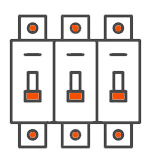


Selecting the right electrical isolator is a critical decision for any building or industrial plant. An isolator may look like a simple device, but its role in electrical safety, maintenance, and compliance is extremely important.
Whether you are designing a new electrical panel, upgrading an existing system, or planning routine maintenance, choosing the correct isolator helps prevent accidents, ensures safe shutdowns, and supports long-term system reliability.
This guide explains how to choose the right electrical isolator step by step, helping electricians, engineers, and facility managers make informed decisions.
Understand Your Load and Voltage Requirements
The first step in isolator selection is understanding the electrical load and voltage level of your system.
Key factors to consider:
- Low Voltage (LV) systems: Most residential, commercial, and industrial panels operate under low voltage ranges.
- Current rating: The isolator must be rated higher than the maximum operating current.
- Single-phase or three-phase supply: Industrial plants usually require three-phase isolators for machinery and motors.
Choosing an undersized isolator can lead to overheating, reduced lifespan, and safety risks.
Choose the Right Type of Electrical Isolator
Different applications require different types of isolators. Selecting the correct type ensures both safety and ease of operation.
Common isolator types include:
- Standard Isolator:
Used to disconnect circuits when no load is present. Suitable for basic applications. - Load Break Isolator:
Designed to safely disconnect the circuit while current is flowing. Commonly used in industrial panels, solar installations, and commercial systems. - Modular Isolator:
Compact and DIN-rail mounted, ideal for distribution boards with limited space. - Fused Isolator:
Provides additional protection by combining isolation and fuse protection.
For applications where frequent switching or higher safety is required, load break isolators are usually the preferred choice.
Check Compliance and Safety Standards
Electrical isolators must comply with national and international safety standards to ensure reliable performance.
Always check for:
- IS / IEC 60947-3 compliance
- Manufacturer quality certifications
- Proper marking of voltage, current, and operating conditions
Using certified isolators ensures compliance with safety regulations and reduces the risk of electrical accidents during maintenance.
Consider the Installation Environment
The operating environment plays a major role in isolator selection.
Ask these questions:
- Is the isolator installed indoors or outdoors?
- Will it be exposed to dust, moisture, heat, or chemicals?
- Is the location easily accessible for operation and maintenance?
Industrial plants, outdoor panels, and harsh environments require isolators with robust enclosures and durable materials to maintain performance over time.
Installation, Accessibility, and Maintenance
A good isolator should not only be safe but also easy to operate and maintain.
Consider:
- Clear ON/OFF indication
- Smooth manual operation
- Enough space for wiring and termination
- Easy access for lockout/tagout (LOTO) during maintenance
Proper accessibility ensures technicians can safely isolate equipment before working on it, reducing the risk of electric shock or arc faults.
Final Selection Checklist
Before finalizing your isolator, verify the following:
- Correct voltage and current rating
- Suitable isolator type (standard or load break)
- Compliance with IS/IEC standards
- Compatibility with your panel design
- Trusted manufacturer with proven quality
This checklist helps ensure that the isolator selected will perform reliably throughout its service life.
Why Choosing the Right Isolator Matters
Using the right electrical isolator improves:
- Safety during maintenance and emergencies
- System reliability and uptime
- Compliance with electrical standards
- Protection of equipment and personnel
Poor isolator selection, on the other hand, can lead to unsafe shutdowns, equipment damage, and operational delays.
Conclusion
Choosing the right electrical isolator for your building or plant is not just a technical decision, it is a safety-critical one. By understanding load requirements, selecting the appropriate isolator type, ensuring compliance, and considering installation conditions, you can significantly improve electrical safety and system performance.
Axiom Controls ACE Isolators are designed to meet these requirements, offering reliable isolation solutions for residential, commercial, and industrial applications.